
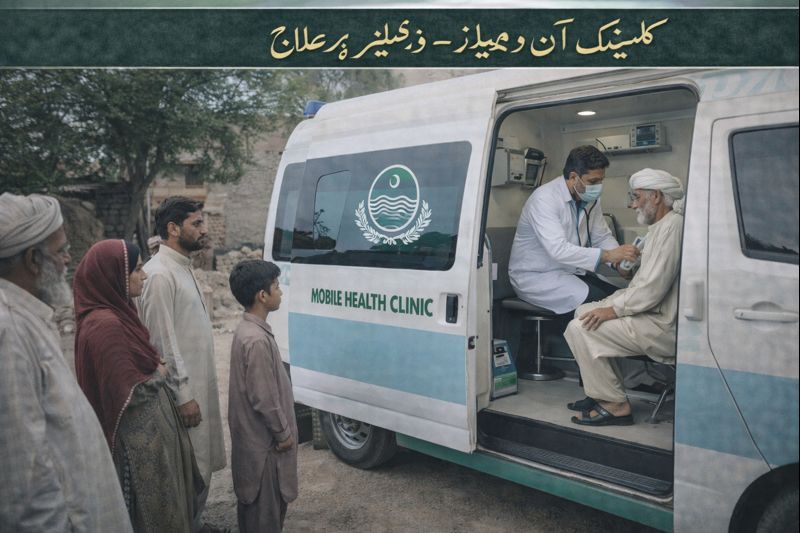
Clinic-on-Wheels 2026 – Doorstep Medical Services Reaching Rural Pakistan
Introduction
Clinic-on-Wheels has become one of the most discussed public health initiatives in Pakistan, especially for rural and underserved communities. The idea is simple but powerful: instead of patients traveling long distances to hospitals, medical services travel to them.
Implemented by provincial governments such as the Government of Punjab and partner health departments, the program uses fully equipped mobile health units to deliver basic healthcare directly to villages and remote areas.
کلینک آن وہیلز حکومت کی طرف سے اس لیے شروع کیا گیا ہے تاکہ دیہی اور دور دراز علاقوں میں رہنے والے لوگوں کو علاج کے لیے ہسپتال نہ جانا پڑے بلکہ ڈاکٹر اور طبی سہولیات خود ان کی دہلیز تک پہنچیں، اس پروگرام کے تحت موبائل میڈیکل گاڑیاں مختلف علاقوں میں جا کر مریضوں کا معائنہ کرتی ہیں، دوائیں فراہم کرتی ہیں اور بنیادی ٹیسٹ کرتی ہیں، یہ سہولت خاص طور پر خواتین، بچوں، بزرگوں اور غریب خاندانوں کے لیے بہت فائدہ مند ہے جن کے لیے ہسپتال جانا مشکل یا مہنگا ہوتا ہے، یہ پروگرام مستقل علاج کی ضمانت نہیں لیکن بیماریوں کی بروقت تشخیص اور صحت کے مسائل کو بڑھنے سے روکنے میں اہم کردار ادا کرتا ہے، یہ خیرات نہیں بلکہ عوامی صحت کو بہتر بنانے کی ایک عملی کوشش ہے۔
What Is the Clinic-on-Wheels Program
Clinic-on-Wheels is a mobile healthcare delivery system that operates through specially designed vehicles equipped with medical staff, diagnostic tools, and essential medicines. These mobile clinics follow fixed routes and schedules to serve areas where hospitals and clinics are limited or inaccessible.
The program focuses on preventive care, early diagnosis, and basic treatment to reduce disease burden in rural populations.
Why Clinic-on-Wheels Is Trending
This initiative is gaining attention because it addresses real problems faced by rural families:
Long travel distance to hospitals
High cost of private healthcare
Shortage of doctors in villages
Delayed treatment leading to complications
Lack of awareness about basic health issues
Search interest around clinic on wheels and mobile health unit pakistan has increased as people see real impact at the community level.
What Medical Services Are Provided
Services may vary by region, but typically include:
General health check-ups
Maternal and child healthcare
Vaccinations
Blood pressure and diabetes screening
Basic laboratory tests
Free or subsidized medicines
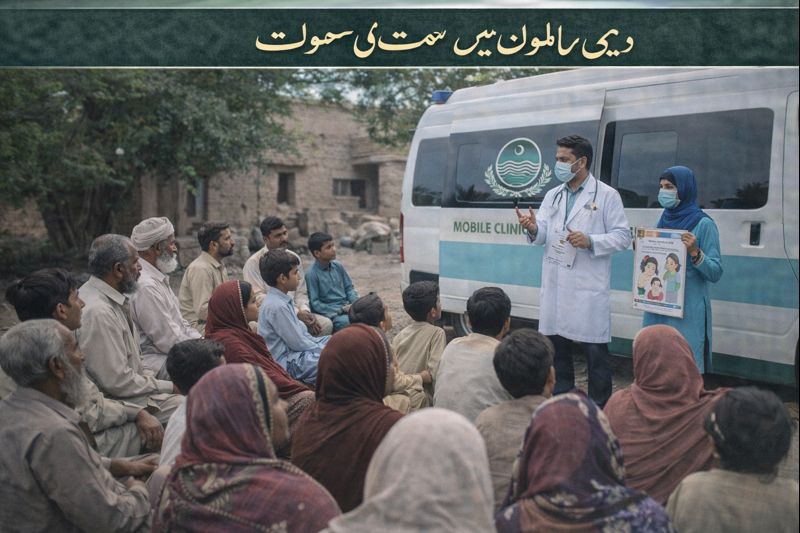
Health awareness counseling
Some units also offer referrals to nearby hospitals for serious conditions.
Who Benefits the Most
Clinic-on-Wheels primarily serves:
Rural populations
Women and children
Elderly patients
Low-income families
People with mobility or transport issues
For many beneficiaries, this is the first regular access to medical care.
How the Program Operates
The operational model usually includes:
Route planning by health departments
Scheduled village visits
Coordination with local administration
Data recording and follow-ups
Referral system for advanced care
This structured approach ensures consistency and accountability.
Impact on Rural Healthcare
The clinic-on-wheels program contributes to:
Early disease detection
Reduced pressure on hospitals
Lower out-of-pocket health expenses
Improved maternal and child health outcomes
Increased health awareness
Over time, this helps build a healthier and more informed population.
Challenges & Future Expansion
Despite success, challenges remain:
Limited number of mobile units
Need for more specialized services
Fuel and maintenance costs
Staff availability
Governments are exploring expansion plans to cover more districts and include advanced diagnostics.
FAQs – Clinic-on-Wheels
What is Clinic-on-Wheels?
It is a mobile healthcare program delivering medical services directly to communities.
Is treatment free?
Most services are free or highly subsidized.
Who runs this program?
Provincial health departments with government oversight.
Is it available everywhere?
Coverage depends on district schedules and available units.
Does it replace hospitals?
No, it complements hospitals by providing basic and preventive care.
Final Note
Clinic-on-Wheels represents a shift from hospital-centric healthcare to people-centric healthcare. By taking medical services to the doorstep, it addresses access gaps and builds trust in public health systems especially where it is needed most.